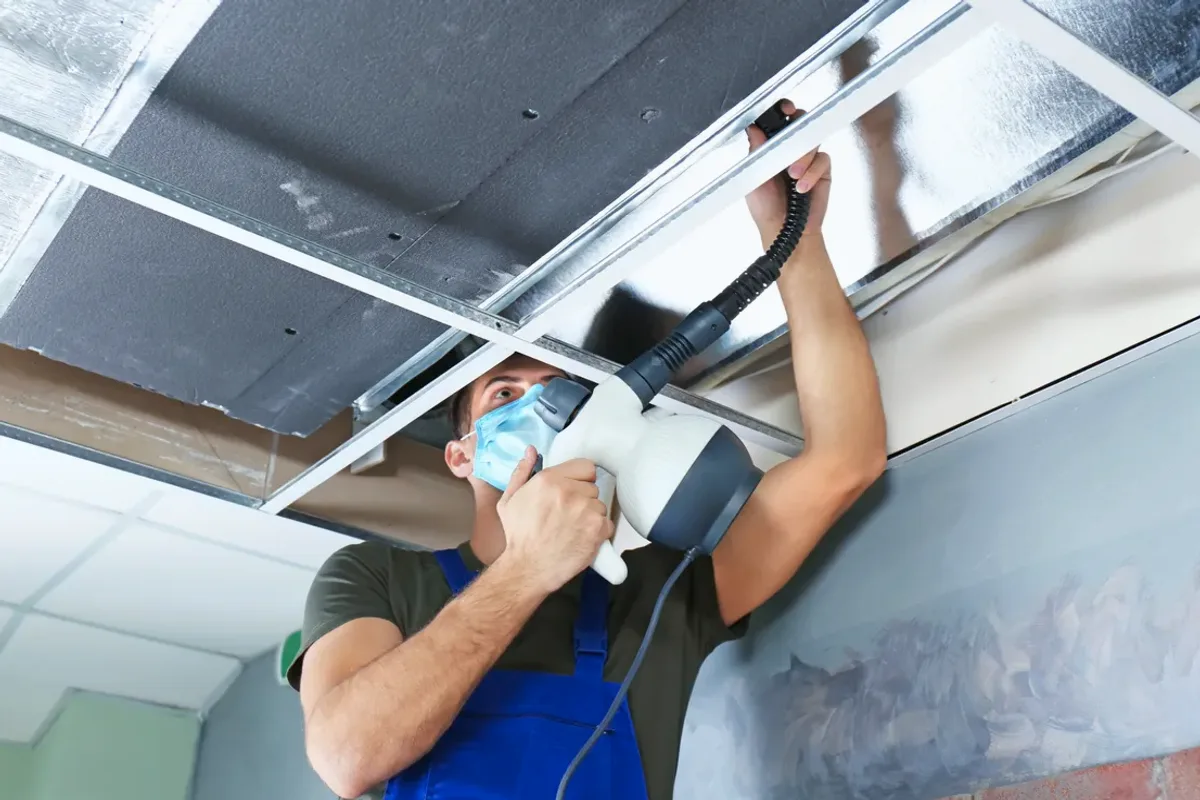
Request duct cleaning for a property in Seaforth. Include the equipment, the problem or planned work, and your location so the request can be reviewed.
What evidence can distinguish debris in ductwork from a crushed run, closed damper, or leaking joint?
Duct cleaning is most relevant when inspection identifies substantial debris, such as dust or construction residue, in accessible ductwork or related air-handler surfaces. Weak airflow at one register does not prove that cleaning is needed; a crushed duct section, closed damper, or other restriction may be responsible. Inspection can use the system layout and, where useful, camera or pressure observations to locate the cause. Cleaning, duct repair, and sealing are distinct work decisions, guided by findings rather than a recurring schedule.
Describe which registers have weak airflow, whether symptoms began after renovation, and what debris is visible. A system inspection can compare airflow across branches and examine accessible duct sections, dampers, and joints; cameras or pressure checks may help locate a restriction. These observations matter because cleaning addresses loose buildup, while a crushed run, leakage, or closed damper calls for a different corrective scope.
Inspection and cleaning of accessible ducts, registers, and air-handler surfaces
Airflow restrictions from debris, dampers, or crushed duct sections
Duct-joint leakage and separate repair or sealing scope
Assessment and Scope
Questions for the Proposed Work
01
Confirm whether cleaning is indicated
Visible debris or documented renovation residue can support considering duct cleaning, but ordinary dust at a register alone does not establish that the entire system needs service. Inspection should identify where buildup is present and whether accessible duct and air-handler surfaces are involved. The scope can then be limited to relevant components. Manufacturer instructions and inspection findings should guide maintenance, rather than assuming ducts need cleaning at fixed intervals.
02
Trace weak airflow before choosing a remedy
When one register has weak airflow, compare that branch with other parts of the system and inspect for a closed damper, crushed section, or debris restriction. A camera or pressure observation may help locate the cause where visual access is limited. Cleaning may address loose material, but it cannot restore a collapsed duct or correct a damper position. Identifying the restriction first prevents choosing a cleaning-only scope for a different fault.
03
Assess leaks and damaged duct sections separately
Accessible joints can be examined for gaps that may affect air delivery or allow surrounding dust into the duct stream. A damaged or crushed run requires assessment of repair or replacement, while appropriate sealing is a separate decision from cleaning. The inspection should specify which sections are accessible and what was observed. This gives the homeowner a basis to compare cleaning with duct correction without implying that every system needs sealing.
Compare the next step
Ask the owner to approve the documented cleaning reason, included components, and total scope. Confirm occupant access and property-protection arrangements, then agree on who reviews unexpected findings. Completion photographs and records should go to the responsible decision-maker so later maintenance can refer to the work actually accepted.
Routine cleaning is not automatically necessary and does not guarantee health or energy benefits. Resolve moisture sources and assess damaged materials rather than treating cleaning as the only remedy.