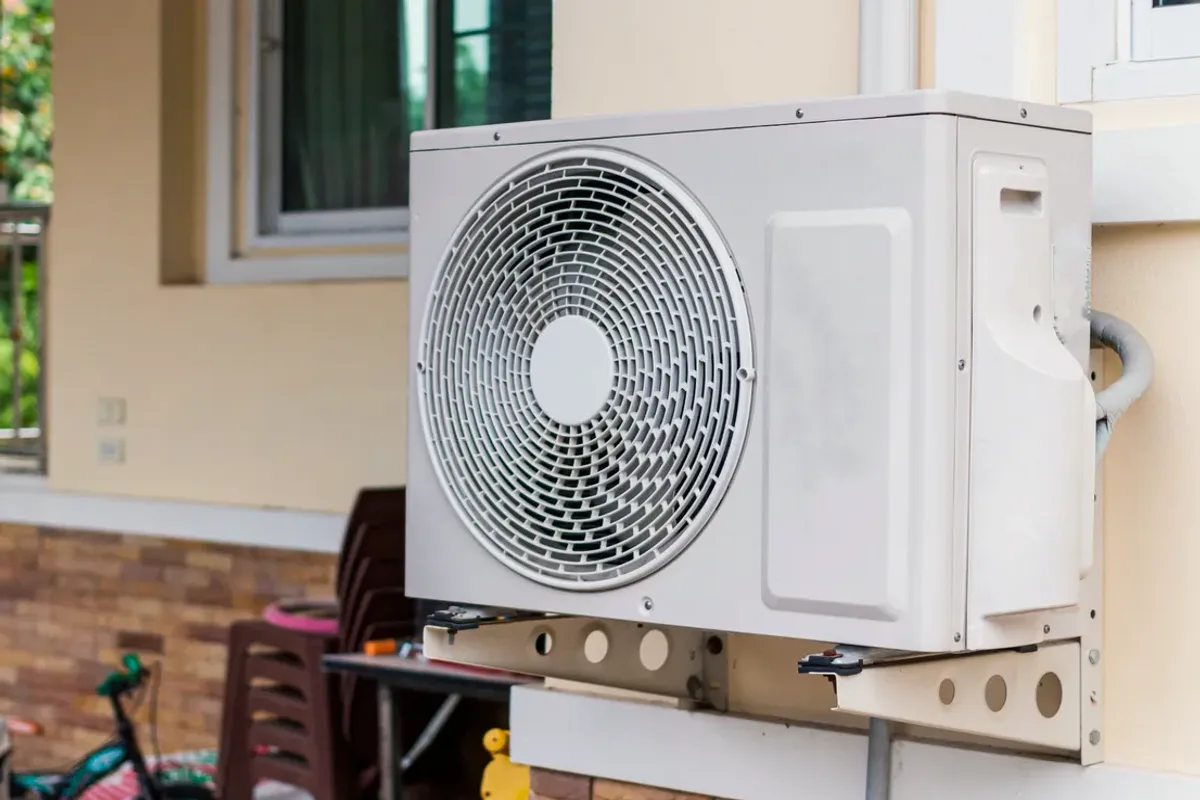
Request heat pump repair & installation for a property in Seaforth. Include the equipment, the problem or planned work, and your location so the request can be reviewed.
What findings help determine whether a heat pump needs a repair or a replacement assessment?
A heat pump provides both heating and cooling, so a fault may appear in one operating mode, both modes, or only under certain conditions. Diagnosis should distinguish airflow and control problems from outdoor-unit, electrical, or refrigerant-circuit faults. If refrigerant measurements suggest a leak, its location and repair scope matter before any decision about recharging. Installation assessment considers the property's heating and cooling needs, existing ductwork or proposed ductless zones, and system compatibility rather than choosing equipment from a general rule.
Note the system type, model, operating mode when the fault occurs, error codes, noises, and any change in airflow or comfort. Prior repair records help establish whether faults are recurring. Inspection can compare controls, coils, electrical operation, airflow, and refrigerant-circuit measurements. If a leak is suspected, locating it matters before deciding on repair. For replacement, existing distribution and the property's heating and cooling requirements define the assessment.
Heat-pump heating, cooling, airflow, and control diagnosis
Refrigerant measurements, leak investigation, and recurring faults
Replacement selection for ducted or ductless distribution
Assessment and Scope
Questions for the Proposed Work
01
Diagnose faults in heating and cooling modes
A heat pump that will not heat, cool evenly, or operate quietly needs testing in the mode associated with the complaint. Airflow, coil condition, controls, electrical components, and outdoor-unit operation can each affect symptoms. A ductless system also requires assessment of the relevant indoor head, while a ducted system raises questions about distribution. Testing helps distinguish a component repair from a fault that affects the system more broadly.
02
Investigate refrigerant readings and recurring faults
Refrigerant pressure readings are evidence to interpret, not a reason to add refrigerant without further diagnosis. If measurements suggest a leak, locating and assessing the leak is important because an unrepaired leak can leave the original problem unresolved. Repair history also matters: repeated faults may change the decision compared with one isolated component failure. The confirmed condition and repair scope, not a fixed number of breakdowns, guide a replacement discussion.
03
Assess replacement around the distribution system
For a new heat pump, the assessment should consider the property's heating and cooling requirements, the existing duct system or proposed ductless zones, and compatible controls. Equipment selection and installation scope depend on those findings, not a universal capacity or savings estimate. A repairable existing fault does not by itself require replacement; conversely, extensive deterioration may justify comparing replacement with continued repairs. Maintenance remains guided by inspection and manufacturer instructions.
Compare the next step
Identify who approves changes to existing heating, power, distribution, and controls. Ask how the proposal addresses occupants affected by the work and any retained equipment warranty. A conversion decision should be supported by the complete design and authorized scope rather than approval for an isolated outdoor-unit replacement.
Cold-climate capability does not prove that one model covers every home heating load. Ask how the selected equipment and supplementary heat meet the actual design requirements.