Request ductless ac installation for a property in Seaforth. Include the equipment, the problem or planned work, and your location so the request can be reviewed.
Which room, line-set, and drainage details affect a ductless mini-split installation plan?
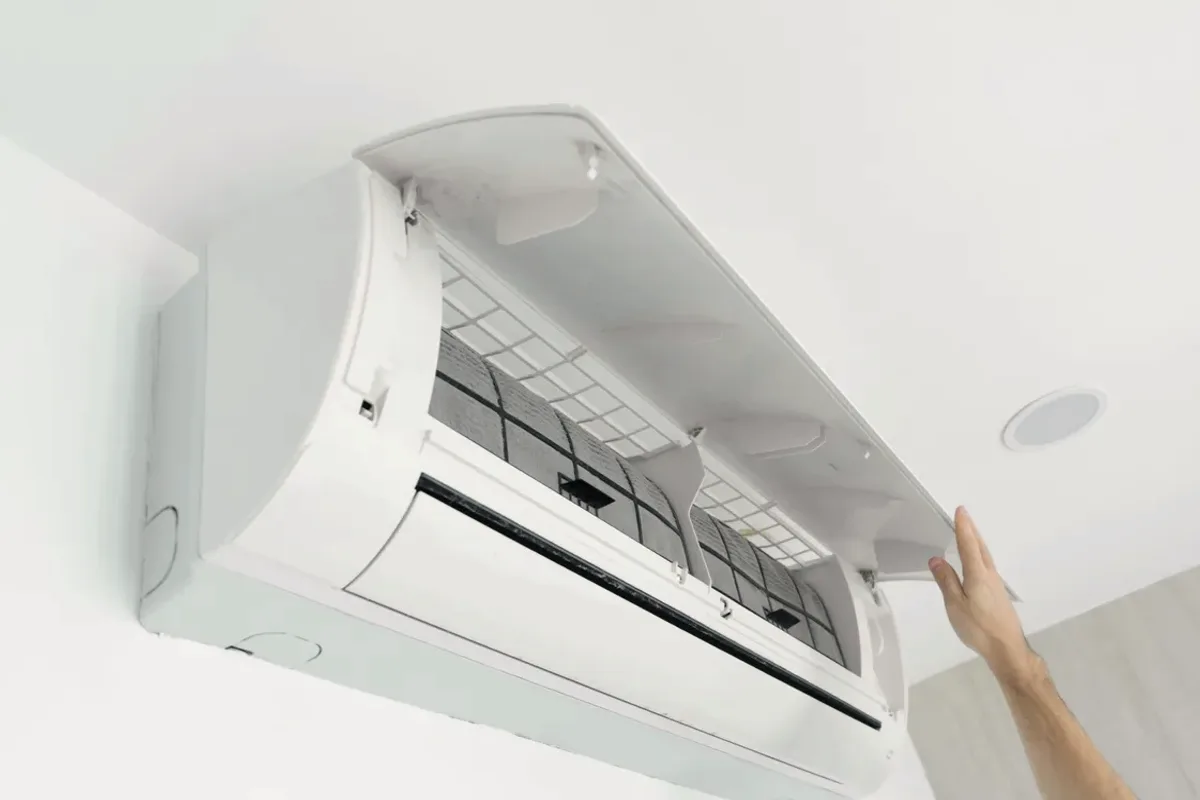
A ductless mini-split can provide separate cooling to rooms where extending existing ductwork is not practical, but equipment selection and placement must suit the spaces being served. The proposed indoor-head locations, outdoor-unit position, electrical requirements, line-set route, and condensate path shape the installation scope. If an existing system is being replaced, inspection of its condition and lines can show what may be reused. A musty indoor head or poor operation may instead call for diagnosis or maintenance before replacement is considered.
A useful assessment records the rooms to be cooled, their layout and use, existing duct limitations, proposed head locations, and possible routes for refrigerant lines, wiring, and condensate drainage. For a replacement, the model, fault history, and condition of existing lines and penetrations matter. These details affect system configuration, compatibility, and whether reuse is suitable, rather than assuming every existing opening can remain.
Mini-split zoning, room coverage, and indoor-head placement
Line-set, penetration, electrical, and condensate-routing assessment
Ductless head cleaning and repair-versus-replacement distinctions
Assessment and Scope
Questions for the Proposed Work
01
Plan head placement and room coverage
Indoor-head locations should be considered in relation to room layout, the spaces needing cooling, and practical routes to the outdoor unit. A single head does not necessarily serve separated rooms evenly, so the requested zones and system configuration need to be discussed. Where ductwork cannot reach a finished room, a mini-split may be considered without extending ducts. Placement also affects access for future inspection and cleaning.
02
Review lines, drainage, and replacement scope
A replacement assessment should identify the existing model, the nature of its fault, and the condition and compatibility of its refrigerant lines, wiring, and wall penetrations. Reusing a line set or opening is conditional on inspection and applicable requirements, not an automatic way to simplify the project. The condensate route also needs planning so water can drain as intended. A failed compressor may lead to a different decision than a clogged drain or replaceable electrical part.
03
Separate installation from head maintenance
A musty smell from an indoor head may relate to coil buildup or slow condensate drainage, which calls for inspection and cleaning rather than an assumed replacement. Installation planning should still allow access to the head and drain components for future service. Maintenance frequency and methods depend on manufacturer instructions and findings. This distinction helps keep an installation proposal focused on equipment and placement instead of treating every odour as a reason to replace the system.
Compare the next step
Obtain agreement on head locations, exterior equipment, penetrations, and drainage from the person authorized to change the property. Ask which building permissions and electrical work are included. Record who approves variations and finish repairs so the installation proceeds from an agreed layout rather than a room occupant preference alone.