Request furnace repair for a property in Seaforth. Include the equipment, the problem or planned work, and your location so the request can be reviewed.
What observations help distinguish an ignition fault from an airflow or limit-control problem?
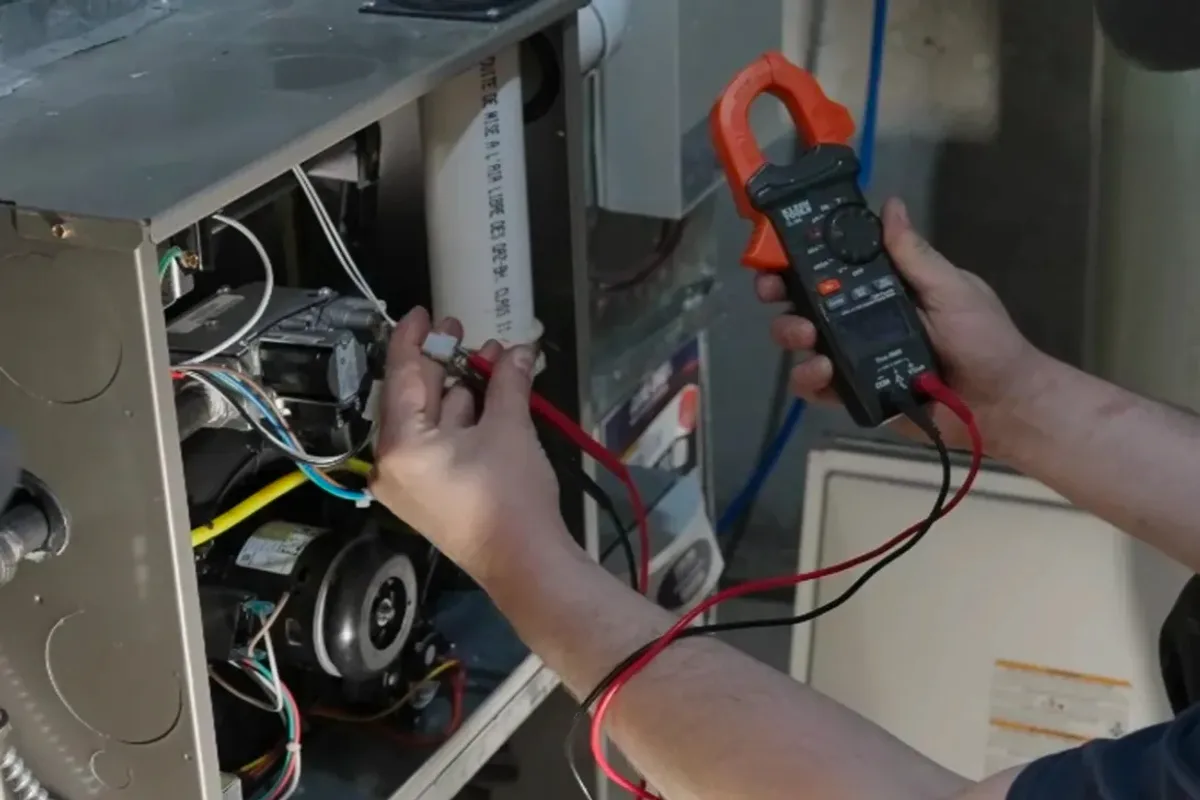
A furnace that will not start, cycles repeatedly, runs constantly with weak heat, or makes a new rattling sound needs diagnosis based on its sequence of operation. For gas or propane equipment, ignition behaviour and measured fuel pressure help distinguish a failed sensor or igniter from a supply or control fault. Airflow restrictions, limit-control operation, duct leakage, and heat-exchanger condition can also affect symptoms. Findings determine whether a repair is appropriate or whether the furnace's condition warrants comparing replacement options.
Useful details include the fuel type, furnace model and age, any displayed fault code, when the symptom occurs, and whether airflow or noise has changed. Service records can show whether a fault is recurring. A qualified inspection can compare the ignition sequence, gas pressure, airflow, limit controls, and heat exchanger condition; these findings guide repair scope and whether replacement merits consideration.
Gas and propane furnace ignition, pressure, and limit-control diagnosis
Airflow, filter, duct leakage, and heat-exchanger inspection
Repair versus replacement based on findings and equipment condition
Assessment and Scope
Questions for the Proposed Work
01
Diagnose the no-start or short-cycle fault
For a furnace that will not start or repeatedly stops, diagnosis follows the operating sequence rather than replacing parts by guesswork. On gas or propane models, the ignition response, measured fuel pressure, and control signals help locate the fault. If the unit starts but stops soon after, airflow restriction or a limit-control issue may be involved. The distinction matters because a sensor repair does not resolve an underlying airflow problem.
02
Check weak heat, noise, and system condition
Constant operation with weak heat can result from restricted airflow, duct leakage, or a control fault, while rattling may point to a loose or failing component. Inspection can compare airflow at the equipment and registers, review filter condition, and check relevant controls. For combustion equipment, heat-exchanger condition is also part of assessing safe operation. These observations help separate a repairable component fault from broader equipment deterioration.
03
Choose maintenance, repair, or replacement
Maintenance findings and repair findings serve different purposes: filter and airflow checks follow the furnace's instructions, while a confirmed failed igniter or motor calls for a specific repair. If repeated faults or heat-exchanger damage are found, compare the repair scope with the furnace's age, condition, and replacement requirements. There is no universal age cutoff. A documented diagnosis helps make that comparison without treating replacement as automatic.
Compare the next step
Give the contractor an occupant contact for observations and an owner contact for authorization. Ask how findings and approval requests will be recorded before repairs begin. Confirm access to the appliance and any service-agreement requirements so the person reporting no heat is not assumed to approve an unrelated replacement.
Leave burner, fuel, venting, electrical, and internal equipment work to a qualified contractor. Do not bypass a safety switch or repeatedly reset a furnace.